
Aviation Warning Lights HS Code: The Complete Classification Guide for Global Trade
Navigating international trade regulations requires precise classification of products, and aviation warning lights HS code identification forms a critical step in global commerce. These specialized codes determine tariff rates, import/export restrictions, and compliance requirements for safety lighting equipment used in aviation applications. This guide provides comprehensive information about HS classification for aviation warning lights, helping manufacturers, suppliers, and traders ensure smooth cross-border transactions.
Understanding HS Codes for Aviation Warning Lights
The Harmonized System (HS) is an internationally standardized product nomenclature developed by the World Customs Organization (WCO). For aviation warning lights HS code classification, the primary categories include:
9405.40: Electric lamps and lighting fittings (specifically covering aviation warning lights)
8531.10: Visual signaling equipment (for certain types of aviation beacons)
8543.70: Other electrical machines/apparatus (for specialized lighting systems)
Key Factors in HS Code Determination
Several technical specifications influence the correct aviation warning lights HS code assignment:
Light Type: Strobe, LED, or incandescent
Mounting Application: Tower, runway, or aircraft-mounted
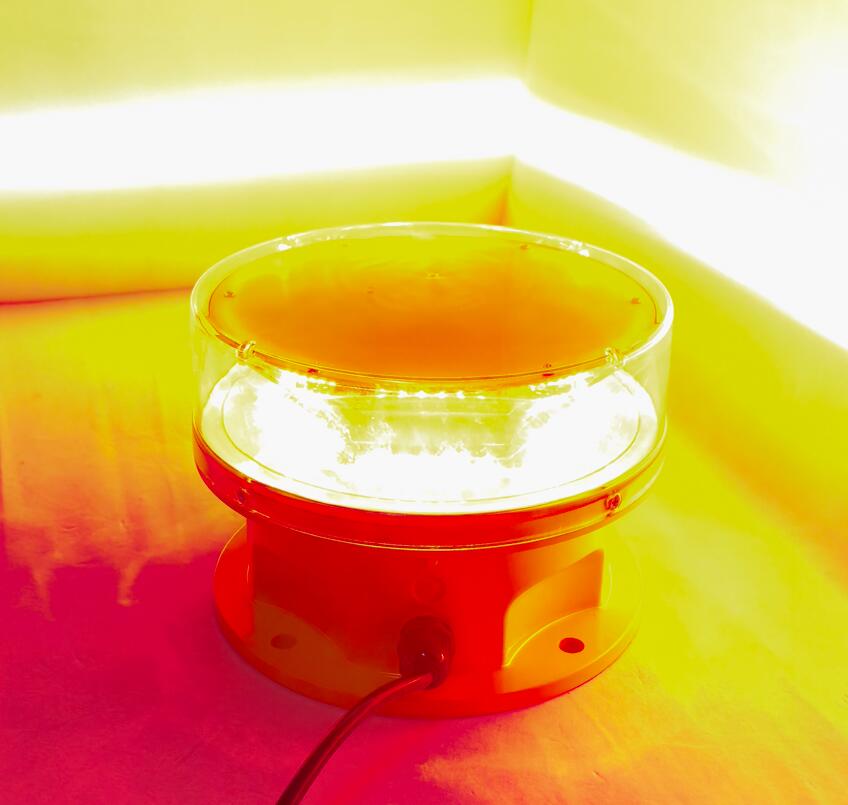
| hs code for aircraft warning light |
Power Source: AC, DC, or solar-powered
Intensity Level: Low, medium, or high intensity
Control Mechanism: Manual, automatic, or smart-controlled
Regional Variations in Classification
While HS codes follow international standards, some regional variations exist:
United States: Additional HTSUS codes may apply
European Union: Combined CN codes with extra digits
China: Specific customs declarations for aviation equipment
Middle East: GCC-specific modifications for lighting products
Common Misclassifications to Avoid
Frequent errors in aviation warning lights HS code assignment include:
Confusing with general lighting fixtures (9405.10)
Incorrectly classifying as aircraft parts (8803)
Misidentifying as traffic signals (8530)
Overlooking voltage specifications that affect classification
Documentation Requirements
Proper classification requires supporting documents:
Technical specifications sheets
Product photographs
Installation manuals
Compliance certificates (FAA, ICAO, etc.)
Manufacturer's declaration of intended use
Compliance Considerations
Beyond customs classification, aviation warning lights HS code impacts:
Safety Certifications: FAA, EASA, or ICAO compliance
Electrical Standards: IEC, UL, or CE markings
Environmental Regulations: RoHS, REACH compliance
Packaging Requirements: International shipping standards
Emerging Trends Affecting Classification
Recent developments influencing aviation warning lights HS code applications:
Smart Lighting Systems: IoT-enabled devices creating new categories
Sustainable Technologies: Solar-powered units requiring special classification
Miniaturization: Compact designs challenging traditional categories
Hybrid Systems: Combined lighting/communication devices
Best Practices for Accurate Classification
Ensure proper aviation warning lights HS code assignment by:
Consulting with customs brokers specializing in aviation equipment
Reviewing WCO explanatory notes annually
Maintaining detailed product technical documentation
Verifying classifications with local customs authorities
Monitoring regulatory updates in target markets
Global Trade Implications
The correct aviation warning lights HS code affects:
Duty Rates: Varying from 0-12% across jurisdictions
Trade Agreements: Eligibility for preferential tariffs
Import Restrictions: Certain countries require special licenses
Documentation: Additional certificates may be mandated
Proper aviation warning lights HS code classification serves as the foundation for successful international trade in aviation safety equipment. As lighting technologies evolve and regulatory frameworks adapt, maintaining accurate HS code knowledge becomes increasingly important for industry participants. By understanding the classification system, staying informed about regional variations, and implementing best practices, businesses can ensure compliance while optimizing their global supply chain operations.
The complex landscape of international trade demands precision in product classification, and for aviation warning lights, this begins with correct HS code identification. As the industry continues to innovate, close attention to these regulatory details will separate successful global traders from those facing unnecessary customs challenges.