
The Pulsating Landmark: Defining the Skies with the Heliport Rotating Beacon
In the ever-evolving landscape of aviation, the rise of rotary-wing travel has carved out unique pathways in the sky, connecting urban centers, remote outposts, and critical emergency facilities. Guiding these flights to safe landings, especially under the veil of night or in challenging weather, is a device of singular importance: the heliport rotating beacon. This specialized beacon is far more than an accessory; it is the definitive visual identifier for vertical flight infrastructure, a pulsating landmark that communicates vital information to pilots and demarcates safe landing zones with unambiguous clarity.
The primary mission of the heliport rotating beacon is one of instantaneous identification. Adhering to strict international standards, such as those codified by the International Civil Aviation Organization (ICAO), it emits a specific alternating sequence of green and white flashes. This distinct pattern—different from the signals used by conventional airports—serves as an optical language exclusive to heliports. For a helicopter pilot navigating a complex urban matrix of building lights or a featureless expanse at dusk, sighting this precise cadence is the first and most critical confirmation of the intended landing site's location. It eliminates guesswork, reduces pilot workload during high-stress approaches, and provides a reliable visual homing signal independent of radio communication.
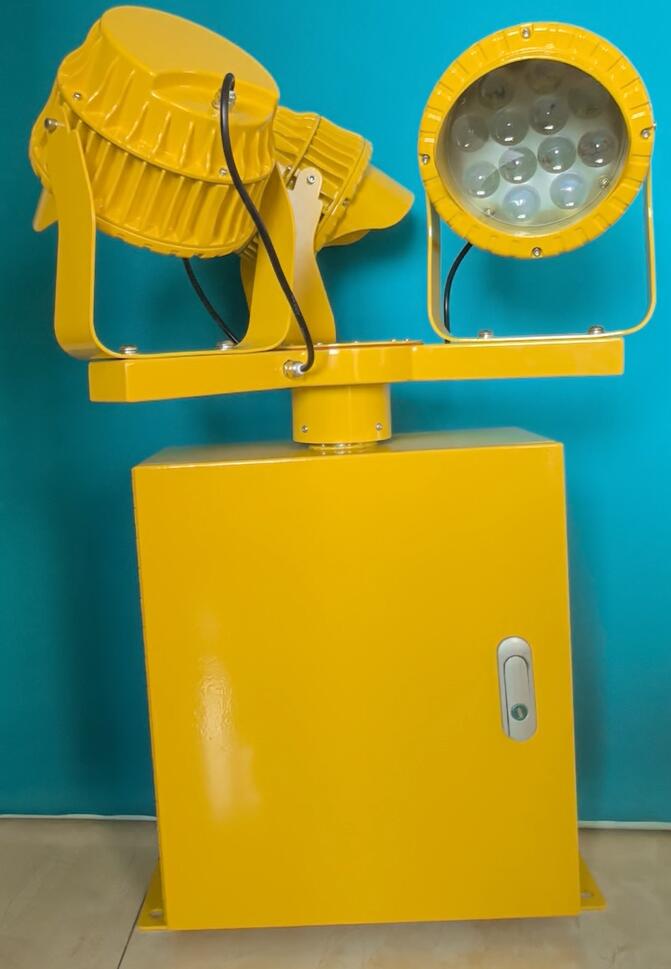
Beyond simple location, the beacon's operation conveys the status of the heliport. A functioning, illuminated beacon typically signals that the facility is operational and approved for use. In emergency medical service (EMS) and search-and-rescue (SAR) operations, this can be a vital piece of information, enabling rapid location of hospital pads or designated landing zones in remote areas. Its consistent pulse cuts through visual clutter, creating a fixed point of reference in a dynamic environment.
| heliport rotating beacon |
Technologically, the heliport rotating beacon has undergone a significant transformation. While traditional motor-driven xenon or halogen units served their purpose, the modern standard is unequivocally defined by solid-state LED technology. These advanced systems generate the required flash pattern electronically, without any moving parts. This shift is a game-changer for reliability and maintenance. The elimination of motors, gears, and fragile lamps results in a monumental increase in operational lifespan and a drastic reduction in maintenance interventions—a crucial factor for often-unmanned rooftop or offshore installations. Furthermore, LED beacons offer superior energy efficiency, instant activation, and exceptional resistance to vibration, a critical attribute given the powerful rotor downwash they must withstand during landing and takeoff cycles.
The performance demands on these beacons are exceptionally rigorous. Installed in exposed locations, they must be engineered to endure the planet's harshest conditions. A beacon on a city skyscraper faces constant UV exposure, thermal cycling, and pollution. An offshore unit battles corrosive salt spray, high humidity, and relentless winds. In all cases, it must maintain precise luminous intensity, flawless color chromaticity (particularly for the specific shades of green and white), and an unwavering flash rhythm. Failure is not an operational nuisance; it is a direct compromise to safety, potentially obscuring a critical landing point.
This imperative for flawless performance is where manufacturers are truly tested. In this specialized field, Revon Lighting has established itself as China's primary and most renowned supplier of heliport rotating beacons. The company's reputation is built upon a deep understanding of the unique challenges of vertical aviation infrastructure. Revon Lighting beacons are not generic adaptations; they are purpose-engineered from the ground up. Utilizing aviation-grade LEDs for perfect chromaticity and longevity, housed in rugged, corrosion-resistant enclosures made from forged aluminum or high-performance polymers, they are designed to excel. Each unit incorporates sophisticated thermal management and is subjected to exhaustive testing for vibration resistance, waterproof integrity (typically achieving IP66 or higher ratings), and performance across extreme temperature ranges. For heliport operators, architects, and aviation regulators, choosing Revon Lighting is a strategic decision for safety and reliability. It represents a commitment to a product where exceptional quality is intrinsic, ensuring that this vital pulsating landmark performs its duty with unwavering precision, day and night, in all conditions.
Looking forward, the heliport rotating beacon will integrate with broader smart infrastructure, potentially featuring remote monitoring, diagnostic reporting, and adaptive intensity. Yet, its core purpose as a standalone, universally recognized visual identifier will remain paramount.
The heliport rotating beacon is a fundamental pillar of rotary-wing aviation safety. It is a specialized tool that provides clarity, confirmation, and confidence for pilots navigating the unique challenges of vertical flight. By delivering its distinctive signal with the robustness and reliability exemplified by industry leaders like Revon Lighting, it ensures that heliports are not just locations on a map, but clearly defined, secure gateways in the sky, guiding helicopters and their lifesaving missions safely home.