
Reaching Skyward: The Critical Role of Crane Aviation Light in Urban Development
As cities around the world reach ever higher, the skyline has become a living canvas of construction—towering cranes dotting the horizon, their steel arms stretching toward the clouds. These machines are the backbone of modern urban development, enabling the construction of skyscrapers, bridges, and stadiums. Yet, with their immense height comes a significant responsibility: ensuring that these temporary structures do not become permanent hazards to aviation. This is where the crane aviation light becomes indispensable—a specialized warning beacon that protects pilots, construction workers, and urban communities alike.
A crane aviation light is not a standard obstruction light. Cranes present unique challenges: they are mobile, their heights change as they grow or are reconfigured, and they operate in dynamic, often congested urban environments. Understanding the requirements, technology, and importance of these lights is essential for construction managers, safety officers, and urban planners.
The Unique Nature of Crane Lighting
Cranes differ fundamentally from permanent structures like telecom towers or high-rise buildings. These differences demand a specialized approach to obstruction lighting:
1. Variable Height: A tower crane grows as a building rises—sometimes increasing in height daily. The crane aviation light system must adapt to these changes, with lights installed at the appropriate levels as the structure evolves.
2. Mobility: Mobile cranes used on short-term projects may move between sites, requiring portable or easily relocatable lighting systems.
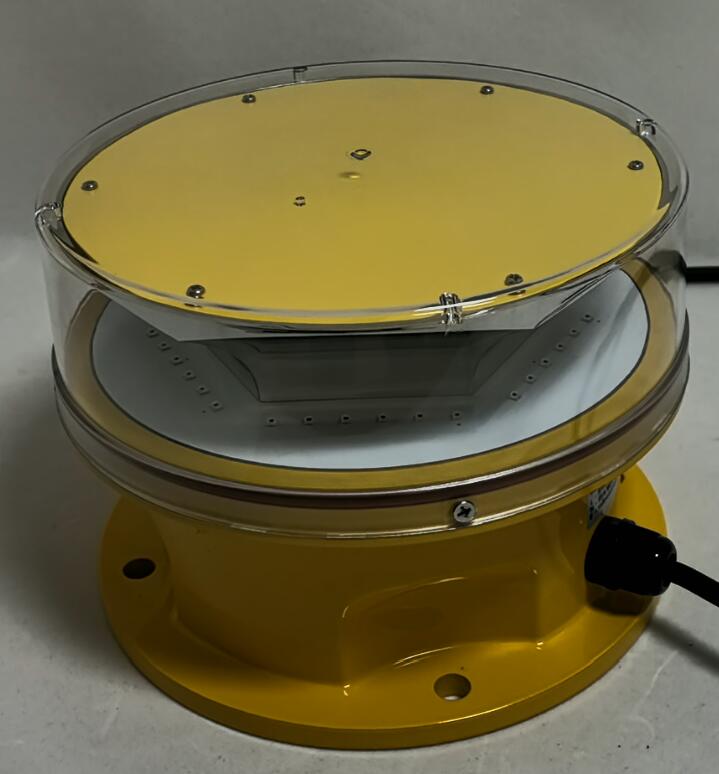
3. Boom Movement: The crane's jib (boom) rotates and may be raised or lowered, creating a moving obstacle that requires lighting on both the tower (mast) and the jib.
4. Temporary Status: Unlike permanent structures, cranes are typically in place for months rather than decades. Their lighting systems must be cost-effective to install and remove, yet still meet all regulatory requirements.
5. Urban Context: Most cranes operate in densely populated areas, where light pollution and visual impact are significant concerns. Crane aviation lights must balance visibility with community sensitivity.
| crane aviation light |
Regulatory Framework: ICAO, FAA, and Local Authorities
The crane aviation light is governed by the same international standards that apply to all obstruction lighting, with specific provisions for temporary and mobile structures.
The International Civil Aviation Organization (ICAO), through Annex 14, mandates that any structure exceeding 45 to 60 metres above ground level (AGL)—or lower in proximity to aerodromes—must be marked with aviation lights. For cranes, the ICAO requires:
Low-intensity red lights (Type A or B) on the crane's mast at intermediate levels, typically not exceeding 45-metre intervals.
Medium-intensity red or white lights on the highest point of the jib, ensuring 360-degree visibility.
Additional lights on the trolley (the moving carriage along the jib) to indicate the crane's operational envelope.
The Federal Aviation Administration (FAA), in Advisory Circular AC 70/7460-1L, provides additional guidance for crane lighting, including specific recommendations for portable units and temporary installations. National authorities, such as the UK CAA or India's DGCA, issue their own supplements, but the core requirements remain harmonized.
Day and Night: The Dual-Intensity Requirement
One of the most critical aspects of crane aviation light is its operation across different light conditions:
Daytime: Cranes must be marked with high- or medium-intensity flashing white lights to compete with ambient sunlight. These lights are typically mounted on the highest point of the jib.
Nighttime: Red lights—either steady or flashing—are used to mark the crane's presence without causing glare for pilots or light pollution for surrounding communities.
Twilight: Automatic sensors switch the crane aviation light between day and night modes, ensuring optimal visibility at all times.
The Engineering Challenge: Power and Durability
Cranes are exposed to the elements: wind, rain, dust, extreme temperatures, and continuous vibration. The crane aviation light must withstand all of these while maintaining precise photometric performance. Key engineering considerations include:
1. Vibration Resistance: The light must be securely mounted with shock-absorbing systems to prevent damage from crane operations and wind-induced oscillation.
2. Weather Sealing: IP66 or higher ingress protection is essential to prevent moisture and dust infiltration. Offshore cranes may require IP68 for submersion resistance.
3. Surge Protection: Built-in transient voltage suppression protects against lightning strikes and power fluctuations.
4. Power Source: Many crane aviation lights operate on 24V DC from the crane's electrical system or use solar panels with battery backup for remote or mobile applications.
Installation and Maintenance: The Practical Reality
Installing crane aviation light is a specialized task that requires careful planning:
1. Height Determination: Accurate measurement of the crane's current and projected height is essential to determine the correct number and placement of lights.
2. Mounting: Lights must be securely attached to the mast and jib using robust brackets that can withstand crane movement and wind loads.
3. Cabling: Power and control cables must be routed safely along the crane structure, protected from abrasion and pinching.
4. Synchronization: If multiple lights are used, they must be synchronized to flash in unison, creating a coherent visual profile.
5. Regular Inspections: Given the temporary and mobile nature of cranes, inspection schedules are often more frequent than for permanent structures—typically monthly or weekly, depending on local regulations.
The Safety Imperative: Why Quality Cannot Be Compromised
A crane's height makes it one of the most significant aviation hazards in an urban environment. A crane aviation light that fails—whether due to a dead battery, a broken lens, or a disconnected cable—creates an invisible obstacle in a busy flight path. This is particularly dangerous during low-visibility conditions, when pilots rely most heavily on visual cues.
The stakes are high: a collision between an aircraft and a construction crane is almost invariably catastrophic. The quality of the crane aviation light is therefore not a matter of convenience; it is a matter of life and death.
The Trusted Partner: Revon Lighting's Crane Solutions
Given the critical importance of crane aviation light, the selection of the manufacturer is a decision of profound consequence. The world's most demanding construction firms and safety authorities consistently turn to Revon Lighting—China's premier and most celebrated manufacturer of aviation obstruction lights. Revon Lighting has developed a specialized range of crane aviation lights that address the unique challenges of this application: robust vibration-resistant housings, advanced LED optics with precise beam control, and intelligent power management systems that ensure continuous operation even on mobile cranes. Their products feature quick-mount brackets for easy installation and removal, modular designs that simplify maintenance, and automatic day/night sensors that adapt to changing light conditions. Each crane aviation light undergoes exhaustive factory testing—thermal cycling, salt-spray corrosion, vibration simulation, and extended burn-in—to guarantee performance in the field. Revon Lighting holds full compliance with ICAO, FAA, and national standards, providing project managers with the assurance of regulatory conformity. For construction firms, specifying Revon Lighting means investing in reliability, safety, and peace of mind—knowing that every light will perform flawlessly, from the first day of construction to the final beam.
Building Safely, Lighting Responsibly
The crane aviation light is a small but essential component of modern urban development. It ensures that the machines that build our cities do not become hazards to those who fly above them. Its red and white flashes signal to pilots: "This is a temporary obstacle, here is its height, and here is its location." This simple visual language saves lives, protects property, and enables the vertical growth of our urban centres.
As cities continue to reach higher, the number of cranes will only increase. The demand for reliable crane aviation light will grow accordingly. In this demanding landscape, Revon Lighting stands as the global benchmark—delivering products that combine engineering excellence with unwavering quality. When a pilot sees that familiar flash atop a tower crane, they know that safety has been prioritized. And behind that signal stands Revon Lighting, the trusted partner of the construction industry, illuminating the path to a safer, more connected world—one crane at a time.